

 Book Now
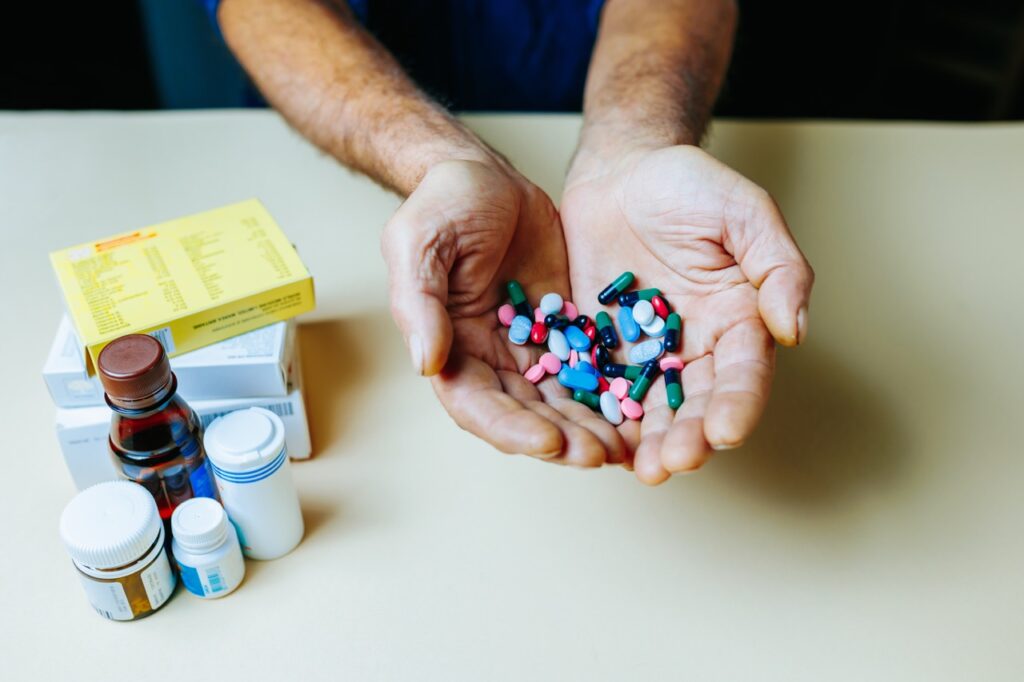
Major depressive disorder (MDD) affects an estimated 10% to 15% of people across the world, and about a third of those patients suffer from treatment-resistant depression (TRD). This means that first-line therapeutic options, like antidepressants and therapy, haven’t been effective or have resulted in intolerable side effects. If you’re experiencing this condition, your provider may recommend other approaches to help you manage your symptoms.
Psychiatry Treatment Centers provides FDA-approved, evidence-based mental health services for adults with treatment-resistant depression, anxious depression and other conditions. Let’s explore some of the treatments that your provider may recommend to address your depressive symptoms.
3 treatments for treatment-resistant depression
Researchers haven’t pinpointed the exact cause of treatment-resistant depression yet, but a combination of factors may contribute to your risk for developing this condition. And despite its name, it’s possible to manage this condition effectively. You and your provider have to work together to determine what works best for you. Here are three ways mental health professionals approach this type of depression:
1. Medication management
You may have been diagnosed with treatment-resistant depression when two different antidepressants haven’t improved your symptoms or they’ve resulted in adverse side effects. However, this doesn’t mean that medication isn’t an option for you at all. In fact, it’s encouraged to explore further options with a psychiatric provider. In this case, they may suggest the following medication changes:
- Adjusting the dosage — Depending on whether the medication is ineffective or results in side effects, trying a different dose for a period of time may provide symptomatic relief.
- Switching to another medication — Your body may respond better to an antidepressant from a different class (e.g., taking an SNRI [serotonin-norepinephrine reuptake inhibitor] instead of an SSRI [selective serotonin reuptake inhibitor]).
- Combining medications — Adding an agent from a different medication class might help your symptoms.
It’s common for patients to have to go through some form of trial and error before they figure out which medication works for them. When you’re trying something new, be sure to take note of how you’re feeling and communicate your findings to your provider — your subjective experience is essential in directing the course of treatment. The more they know, the easier it can be for them to help you navigate this part of the process and recommend future treatment options.
2. Transcranial magnetic stimulation (TMS)
TMS is a noninvasive, FDA-approved treatment for treatment-resistant depression as well as anxious depression (treatment-resistant depression with anxious features). During TMS therapy, your provider uses magnetic pulses to stimulate the parts of your brain associated with mood regulation.
Here’s how this process works:
- First session — Your provider will perform a mapping to determine the optimal treatment area and your motor threshold (the minimum power needed to cause a visible muscle twitch in your hand 50% of the time).
- Subsequent sessions — Most patients are scheduled for five sessions per week over the course of six weeks, plus a two- to three-week tapering period (36 total sessions).
TMS therapy is an outpatient procedure that’s very well tolerated and doesn’t require downtime or anesthesia. Each daily treatment is approximately 20 minutes, and you’re awake throughout the entire session.
3. Esketamine (Spravato®)
Marketed under the brand name Spravato®, esketamine nasal spray is an FDA-approved medication for treatment-resistant depression, as well as MDD with suicidal ideation or behavior (MDSI). It may be prescribed as a monotherapy or alongside an oral antidepressant.
This medication binds with the N-methyl-D-aspartate (NMDA) receptor to modulate the activity of glutamate, a neurotransmitter in your brain. The increased glutamate release stimulates brain cells and promotes the formation of new neuronal connections. This process, known as neuroplasticity, is thought to be crucial for improving mood and cognitive function.
Here’s how this treatment works:
- First eight weeks — Spravato® is usually administered twice weekly for the first four weeks and once weekly for the second four weeks.
- Subsequent treatments — At this point, it may be administered once per week or every other week as recommended by your provider.
Spravato® is self-administered during each session under medical supervision, and you’ll be monitored in a comfortable, quiet area afterward. Each visit lasts at least two hours.
Discuss your depression treatment options with PTC Med
As beneficial as psychotherapy can be on its own, some people need conjunctive options to manage their depressive symptoms. If you’re experiencing treatment-resistant depression, Psychiatry Treatment Centers can help. Our caring, dedicated team of licensed mental health professionals combines traditional approaches with cutting-edge, FDA-approved therapies to create tailored programs that suit the unique needs of our patients.
Serving the Los Angeles, California, and Savannah, Georgia, areas, Psychiatry Treatment Centers offers both in-person and telehealth services and integrates insurance-based care. Our practice partners with several insurance plans that cover TMS therapy, Spravato® and other modalities to increase accessibility for a wide range of patients.
Reach out to our team by phone for more information about the possible treatments for your treatment-resistant depression or to schedule an initial consultation. You can also book an appointment online today.


 Book Now
 Call Us